Sambor Prei Kuk Hidden Temples
Duration
Full Day
Location
Siem Reap & Kampong Thom
Level
Leisure
From
US$175.00
US$175.00
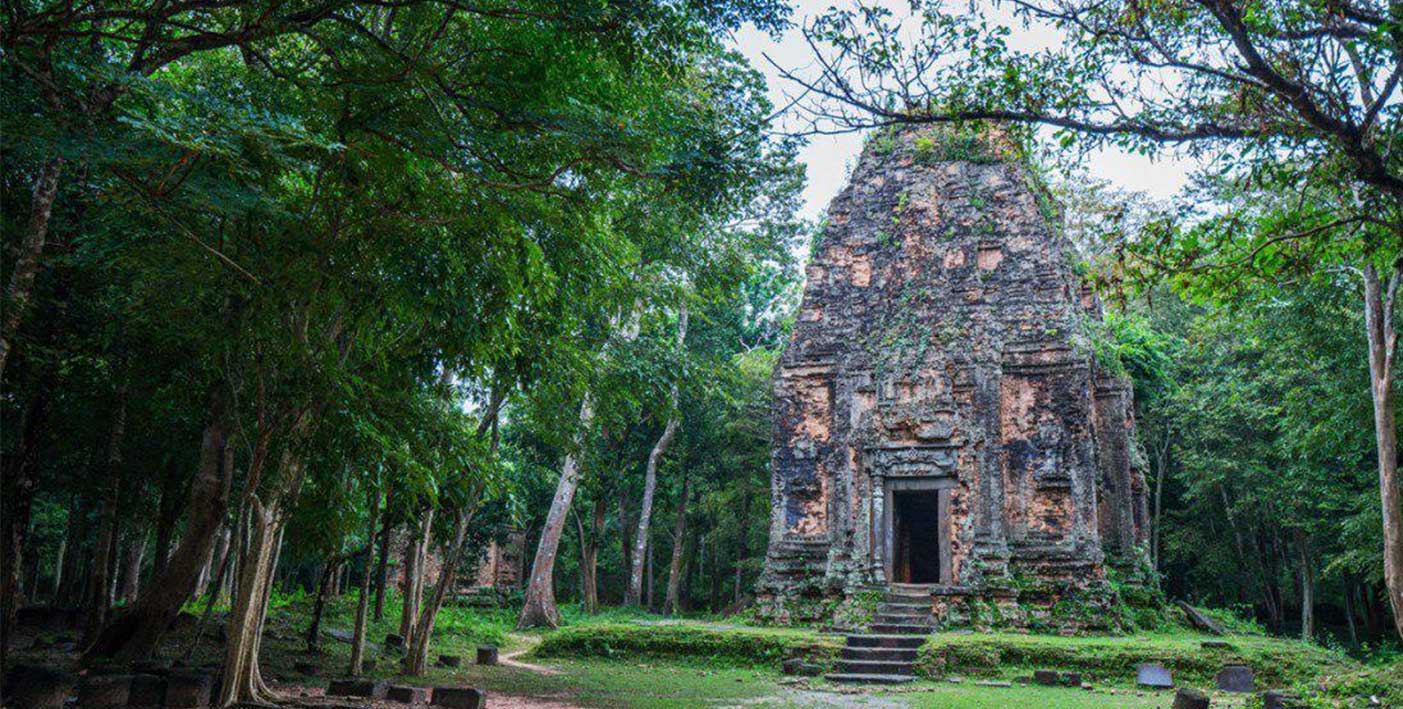
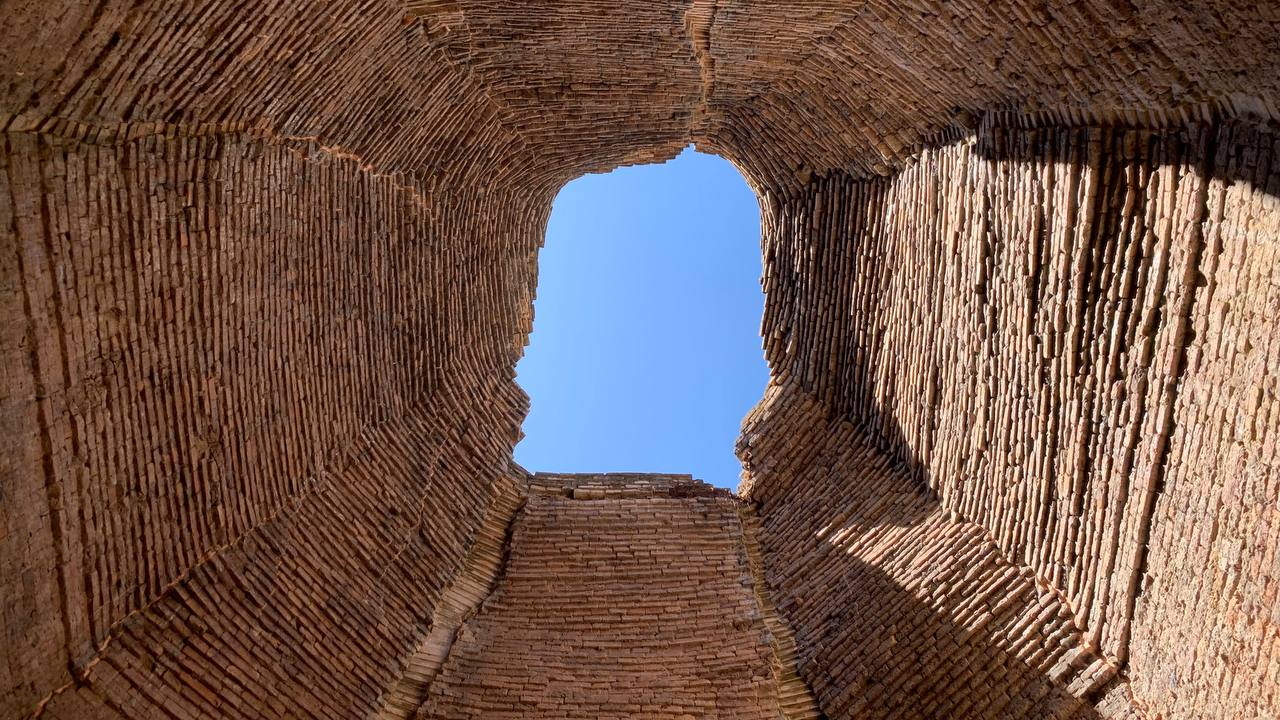
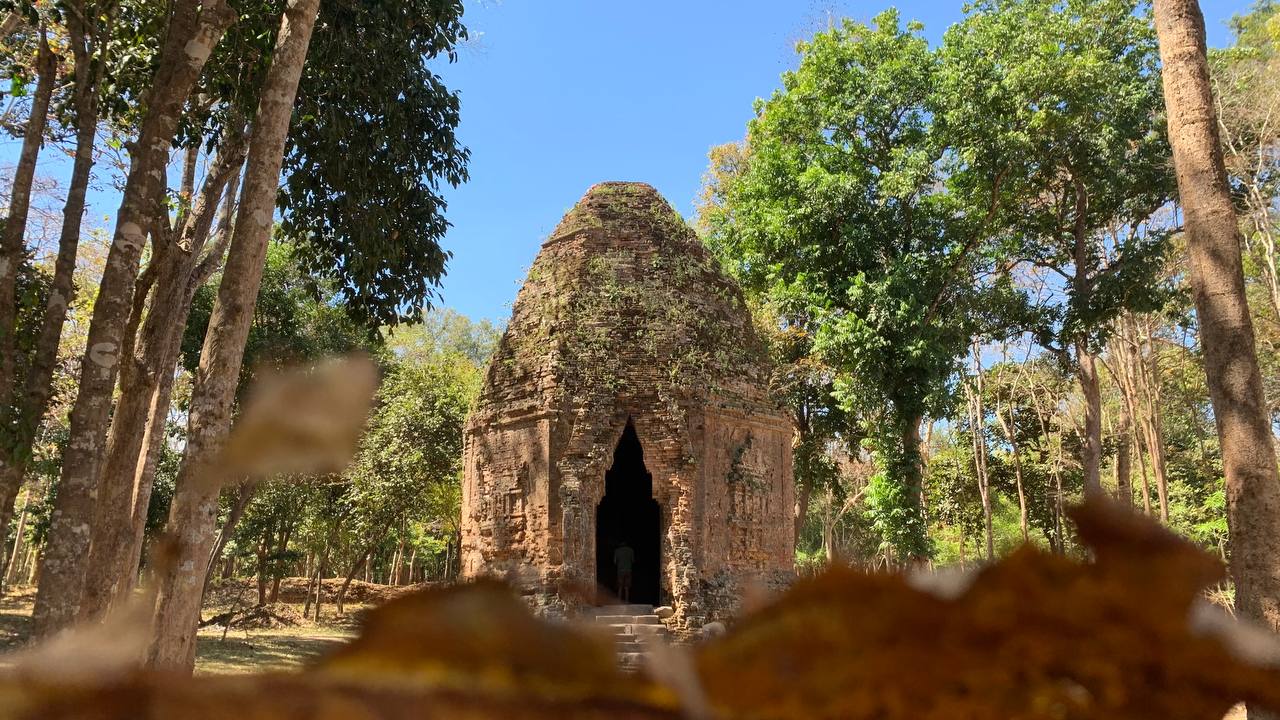
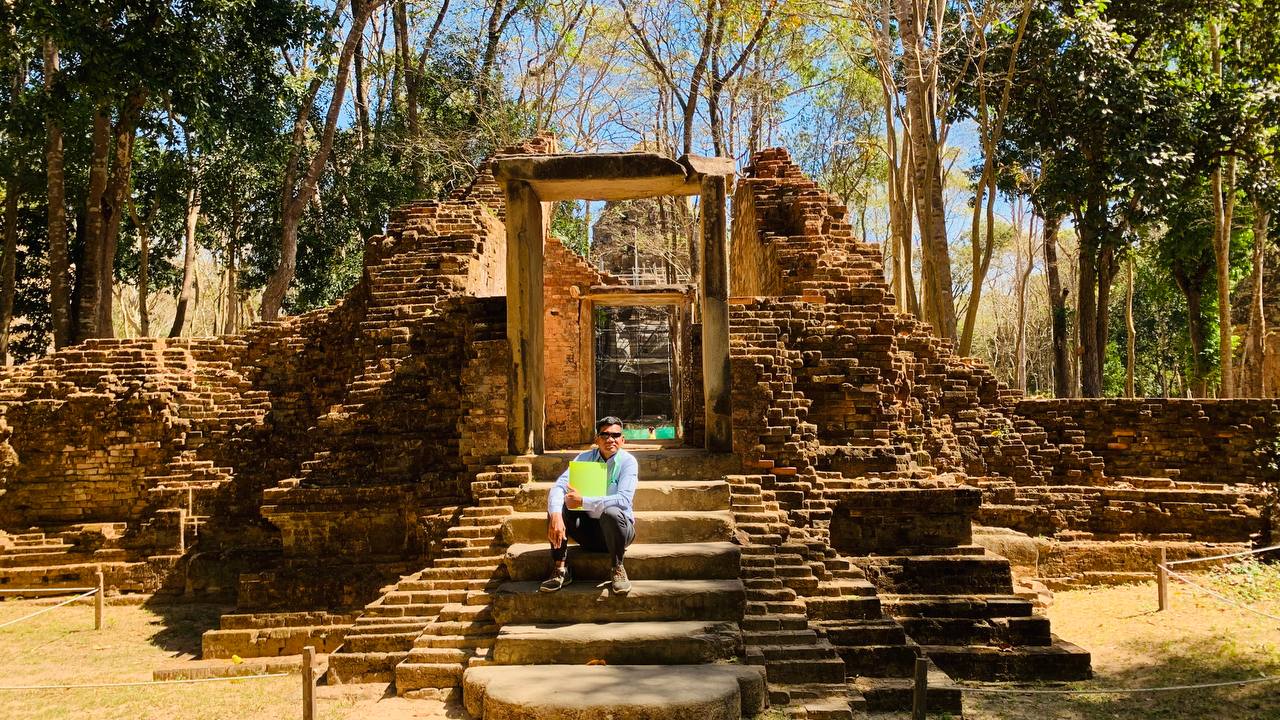
Sambor Prei Kuk is unique as the 6th-7th century capital of the Chenla Kingdom (Ishanapura), featuring over 100pre-Angkorian, largely brick temples with distinctive octagonal towers—the only ones in Southeast Asia. As a UNESCO World Heritage site, it highlights early Khmer architectural styles, including unique sandstone lintels and masterpieces of carving.
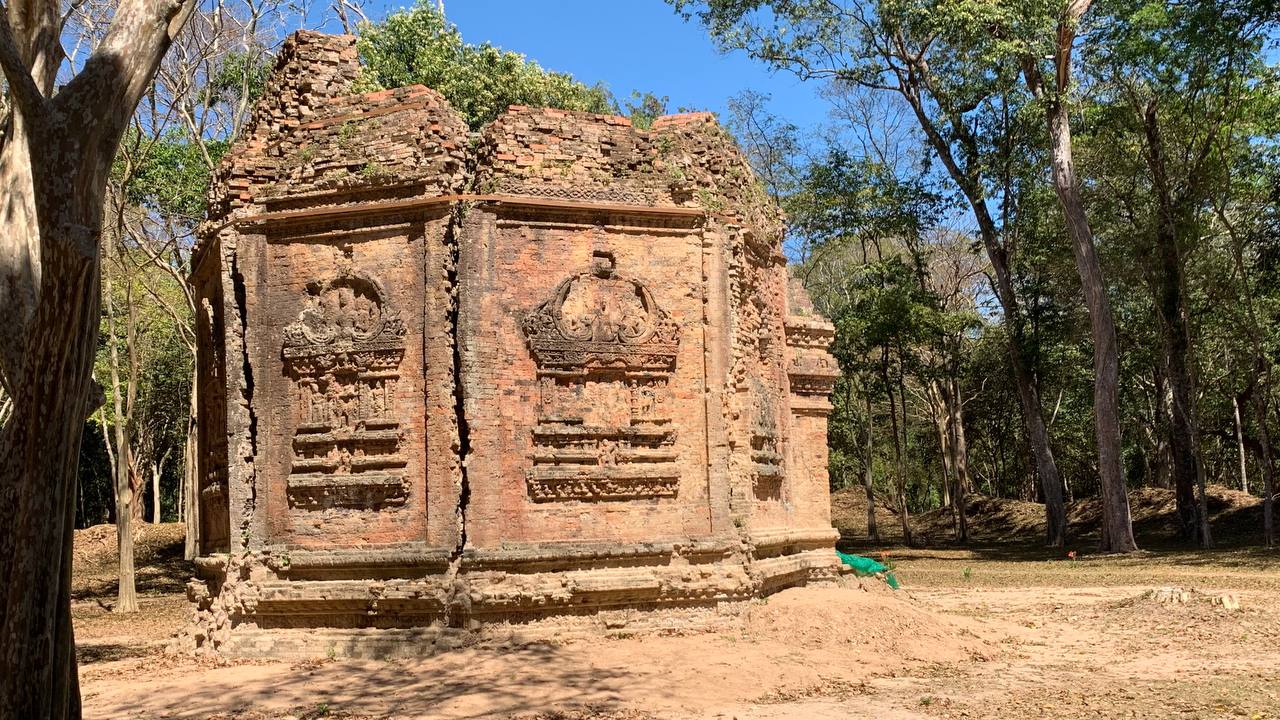
Distinctive Architecture: The site features 10 rare, unique octagonal brick temples that are not found elsewhere in Southeast Asia, along with brick towers that predate the Angkorian stone-building style.
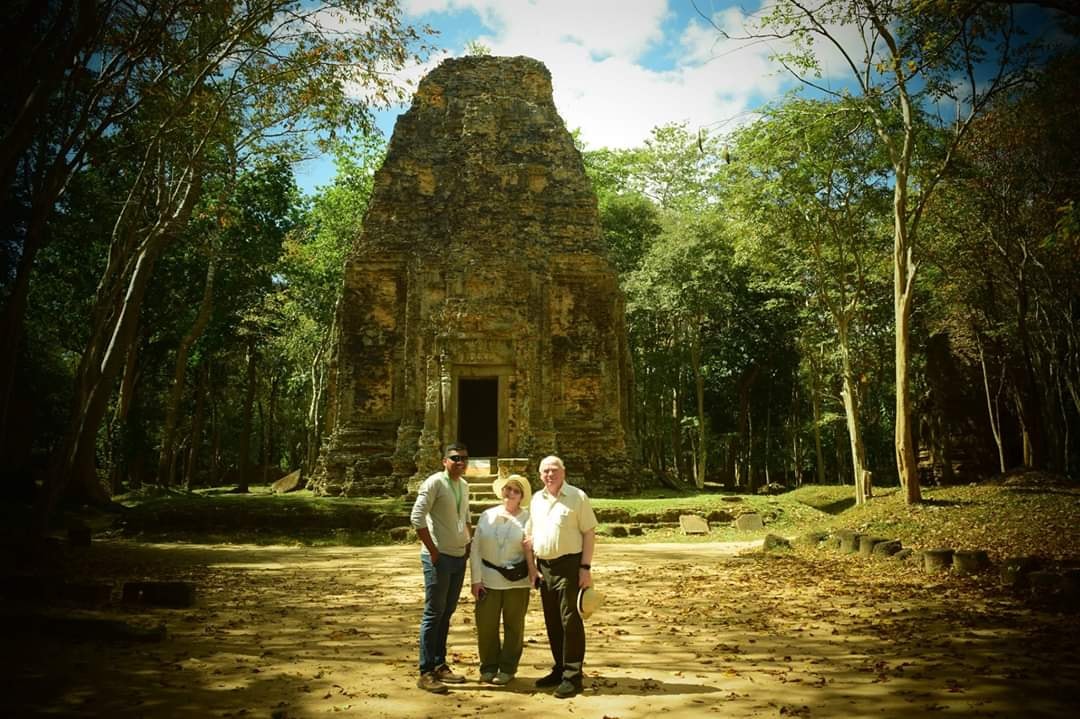
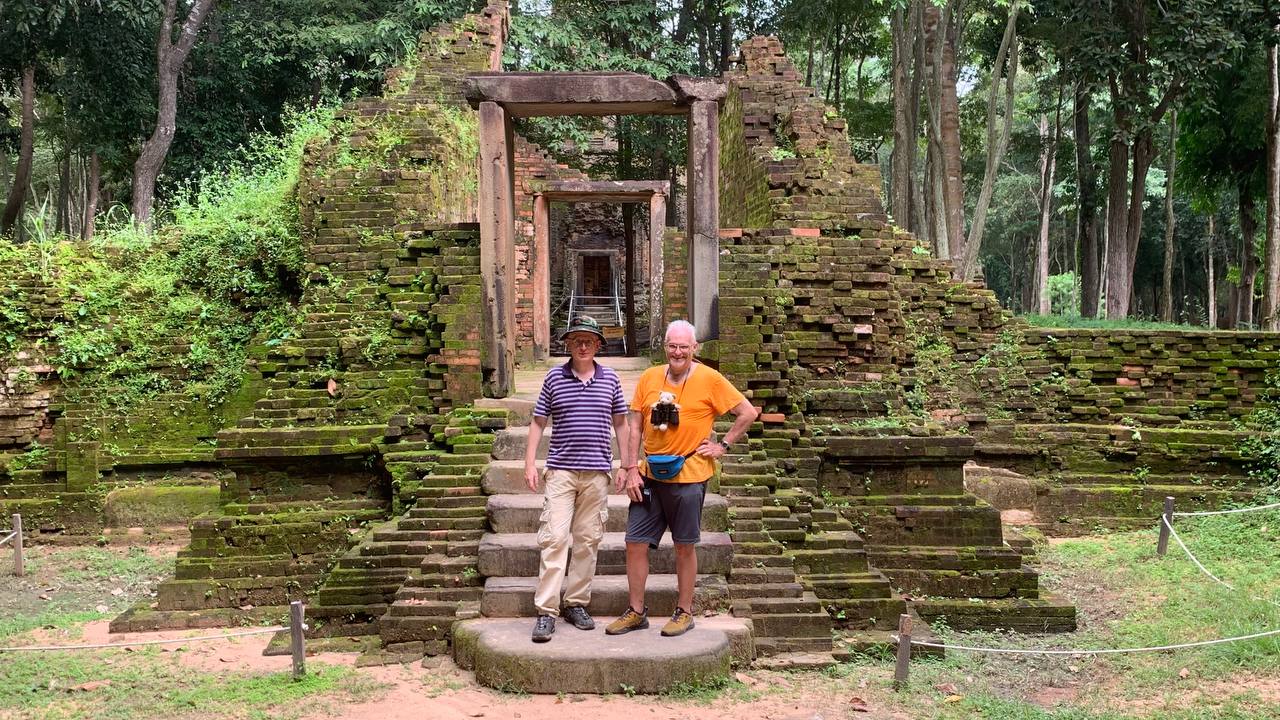
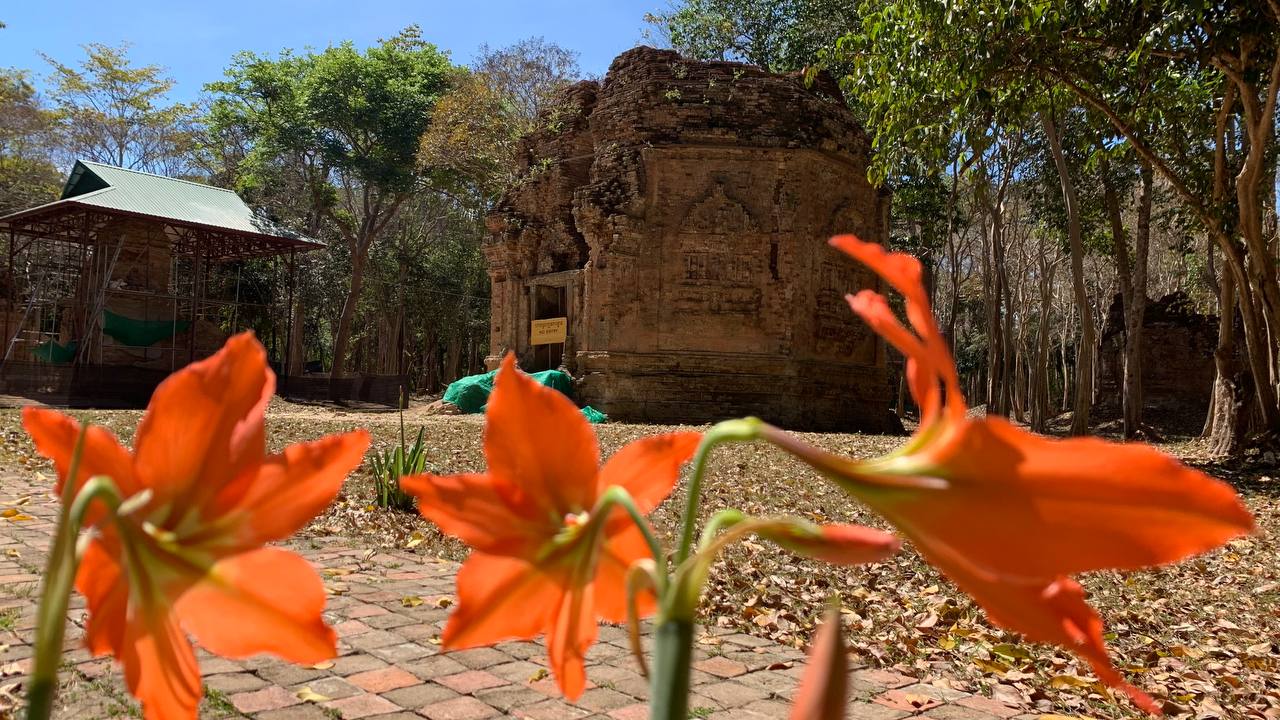
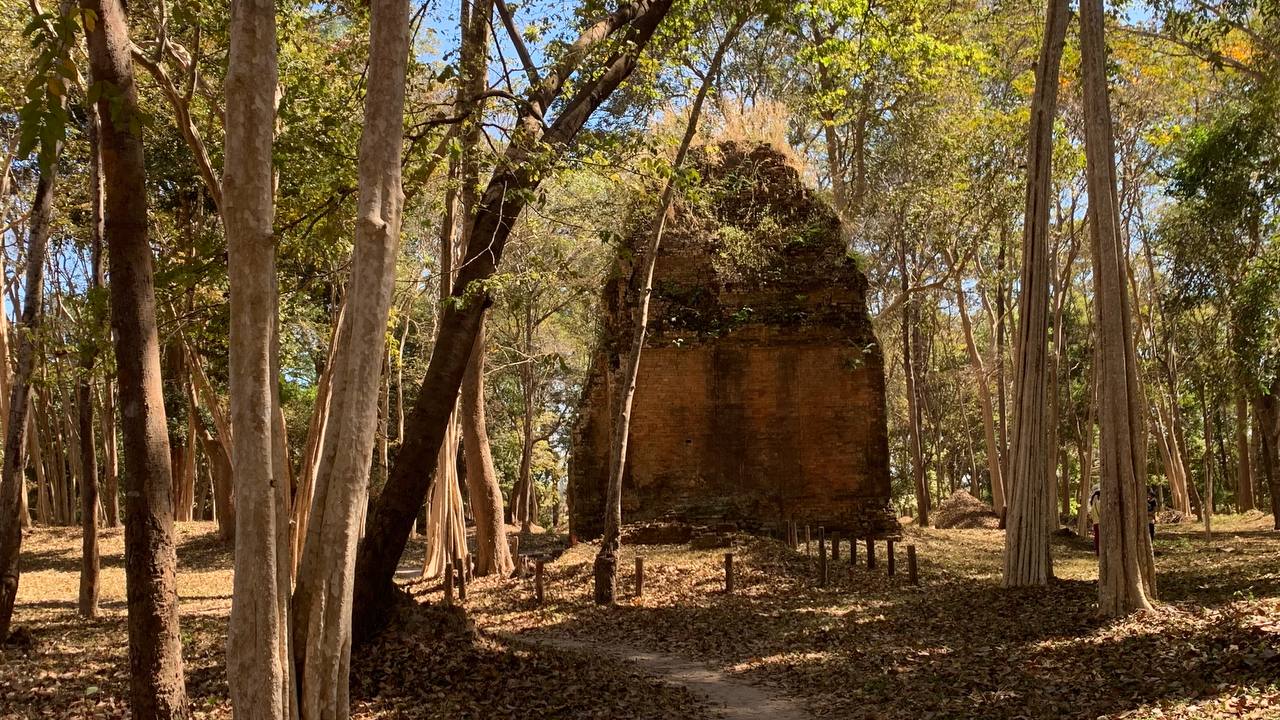
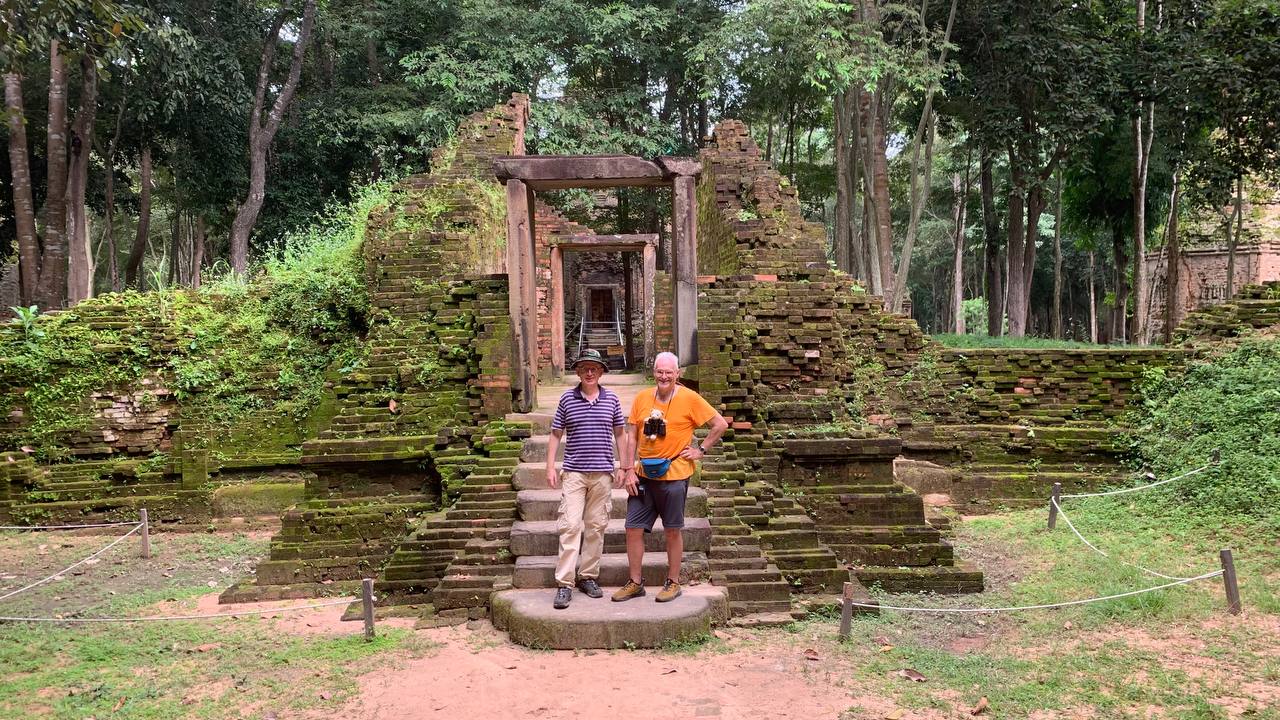
Temple in the Forest: The site is characterized by its, often overgrown, temples nestled among trees and jungle growth, offering a more intimate, uncrowded experience compared to Angkor Wat.
Pre-Angkorian Style: It represents the peak of pre-Angkor art (known as the Sambor Prei Kuk style) and architecture, serving as a model for subsequent Khmer artistic development.
Ornate Decorations: The temples are renowned for their, albeit now often ruined, lintels, pediments, and unique, fierce-looking lion statues with spiraled manes.
Cultural Significance: It was the capital of the Chenla Kingdom (Ishanapura), the powerful empire that preceded the Angkorian era.
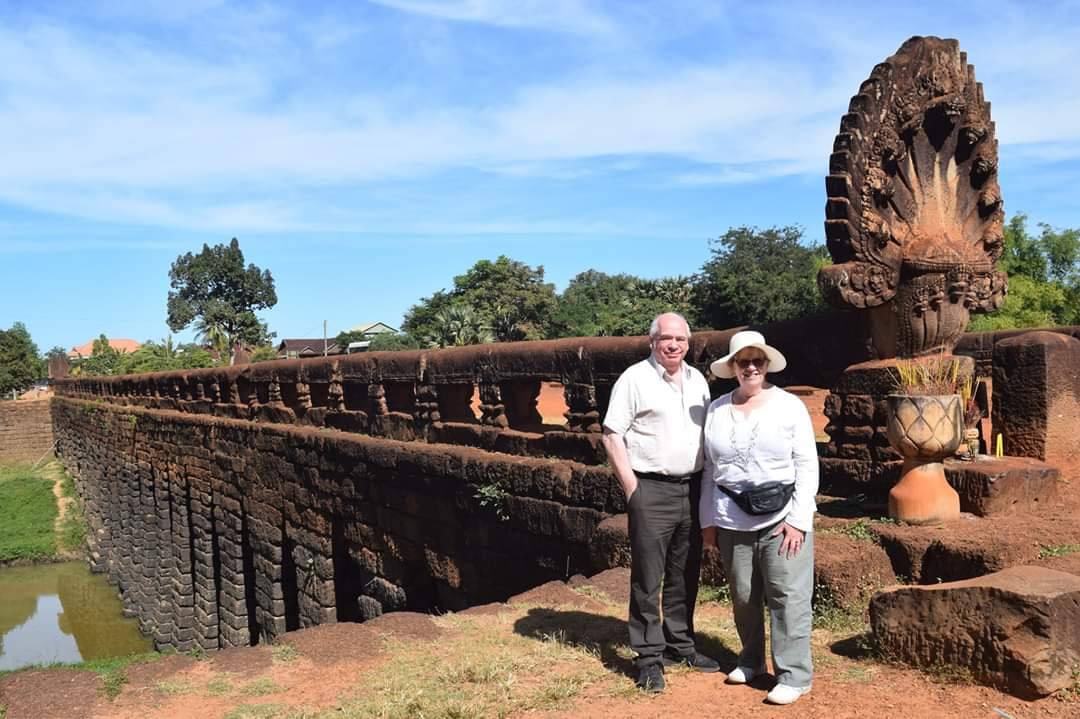
Spean Brab Tes (also known as Spean Praptos, Kampong Kdei Bridge, or Spean Preah Toeus) is unique as the oldest and longest-surviving corbelled stone-arch bridge from the12th-century Khmer Empire still in use today.
Ancient Engineering Marvel: Built under King Jayavarman VII in the late 12th century, it is regarded as the oldest, most well-preserved laterite bridge in Southeast Asia.
Massive Dimensions: It stretches approximately 87–90 meters in length and 15–16 meters in width, supported by 21 narrow, corbelled arches.
“Bridge of Indication”: Known in Khmer as Spean Preah Toeus, it was a key landmark on the ancient Royal Road connecting Angkor to outlying provinces, designed to “indicate” the route to travelers.
Naga Balustrades: The bridge features ornate balustrades with five-headed Naga serpents, which served as both functional handrails and symbolic, protective structures.
Cultural Significance & Symbolism: It is featured on the local 5,000 riel banknote and remains a site where locals pay respects to their ancestors.
Continuous Use: Despite being nearly 1,000 years old, it still serves as a functional crossing for light traffic, such as motorcycles and pedestrians.
Please review tour route map of Sambor Prei Kuk Temples Group
Spean Prabtos
SPEAN PRABTOS is also known as Kampong Kdei Bridge on the National Road 6 from Siem Reap to Phnom Penh, used to be the longest corbeled stone-arch bridge in the world, with more than twenty narrow arches spanning 285 ft (87m). The bridge was built in the 12th century during the reign of King Jayavarman VII. It is one of the few Khmer empire era bridges to have survived to the modern day.
Sambor Prei Kuk
PRASAT SAMBOR PREI KUK is a very old, and rarely visited, temple located a four hour drive from Siem Reap. The nearby Kampong Thom City is an excellent place to spend the night if you want to enjoy a leisurely trip. The drive itself is beautiful, a journey along the lush scenery of the Prey Preas River. Villagers in this area specialize in meals that include crickets, spiders, and frogs as well as sticky rice. The Sambo Prei Kuk temples were the second capital of the Khmer Empire and were built in the 7th Century by King Isanvarman I.
Prasat Yeay Poan
Prasat Yeay Poan is composed of many brick and laterite temples; they are in the shape of either a rectangle or are octagonal with each decorated with different impressive carvings in the brick called a “Flying Palace”. This temple group is surrounded by an inner wall made of brick, and an outer wall made of laterite with entrance gates in the East and the West, and false gates on the South and North. Inscriptions have confirmed that the temple group was built in the reign of King Ishanavarman I who reigned from 616-637 AD.
Prasat Bos Ream
A curious site lying in the forest a short distance north of Prasat Sandan and consisting of 7 east-facing brick mounds aligned in a diagonal from NNE to SSW. There's little to be seen today, apart from earthen mounds covered in bushes, but the site must have originally been an impressive one. A man-made pond is situated to the north although no remains can be seen of any enclosing wall. It certainly seems unusual that out of the 7 presumed shrines, nothing at all remains today except a few courses of bricks.
Prasat Tao (Lion Temple)
Prasat Tao was built by Isanavarman I & Jayavarman in the 7th century and situated between Prasat Sambor and Prasat Yeay Poan , Prasat Tao is correspondingly referred to as the Central (or just C) group at Sambor Prei Kuk.The layout is similar to Yeay Poan with a laterite enclosing wall surrounding a large, central shrine and auxiliary towers with additional brick towers within an outer enclosure formed by a 2nd wall. In this case, the remains of 5 structures can be seen around the central tower with a further 8 in the outer section.
Prasat Trapeang Ropeak
Trapeang Ropeak Temple is a 7th-century pre-Angkorian octagonal brick shrine at Sambor Prei Kuk, notable for a large tree growing through its structure and for its unique, octagonal shape, which likely represents the Vimana Trivishtapa, or the flying palace of the god Indra. The temple is located to the northwest of temple Z and is surrounded by an environment that has been heavily reclaimed by nature.
Prasat Chrey
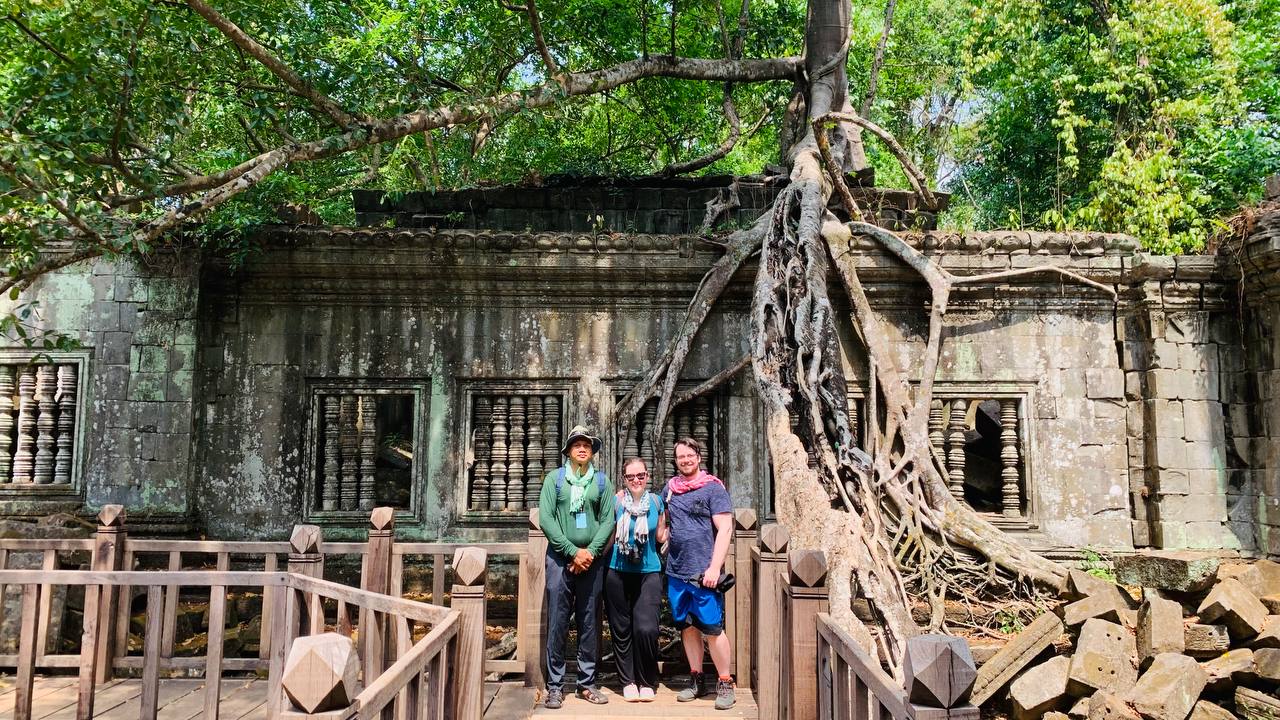
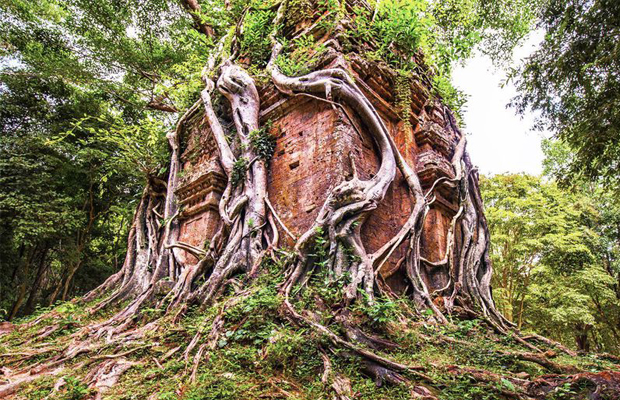
Chrey Temple is a pre-Angkorian brick sanctuary at the Sambor Prei Kuk archaeological site that is famous for being almost entirely engulfed by the roots of a massive strangler fig tree. This temple, also designated N18, was once part of a larger complex but is now partially separated by a road. Its picturesque ruins are a popular photo spot, showcasing a beautiful but destructive interplay between nature and ancient architecture.
Prasat Drum Chan
Drum Chan Temple is a misinterpretation of a temple complex in Sambor Prei Kuk, a pre-Angkorian archaeological site in Cambodia from the 7th century. The name likely refers to the "Temple Zone" which includes clusters like Prasat Sambor (the main temple), Prasat Yeah Puon, and Prasat Boram. This UNESCO World Heritage Site features unique octagonal temples, and its architectural and artistic style, known as the Sambor Prei Kuk style, was a precursor to the Angkorian period.
Prasat Kbal Chrouk
Kbal Chrouk Temple, also known as Tower N20, is a ruined rectangular brick temple at Sambor Prei Kuk, notable for its ornate sandstone doorframe, a K. 439 inscription, and reliefs of "flying palaces". Built during the reigns of kings Bhavavarman II and Jayavarman I, it originally housed a golden linga and features unique decorative elements like pilasters and base decorations. The temple, which opens to the east, is part of a larger archaeological site recognized as a UNESCO World Heritage Site.
Price
| Group Size | Price |
|---|---|
| 1 | 175.00$/per group |
| 2 | 180.00$/per group |
| 3-4 | 259.00$/per group |
| 5-6 | 379.00$/per group |
Highlights
- Kampong Thom is central of cambodia
- Sambor Prei Kuk is heritage sight
- Sambor Prei Kuk registered by UNESCO in 2017
- Sambor Prei Kuk was pre Angkorian Capital
- Sambor Prei Kuk is main complex of temple group
- Highly recommended to visit
- Study Trip (Recommend)
What to Bring
- + Sun screne
- + Your hat
- + Sunglasses
- + Camera
- + Small backpack
- + Insect repellent
- + Wear comfortable clothes.
Includes
- + Professional Tour Guide
- + A/C Car with Driver
- + Cold Drinking Water
- + Cold Towels
Excludes
- – Meal (B/L/D)
- – Entrances Fee
- – Travel Insurance
- – Any Expends
- – Other Not Mentioned
Other Information
When booking this tour, you can choose your departure time: 5:30 AM, 6:00 AM, 6:30 AM,7:00 AM or 7:30 AM. We’ll pick you up from your hotel.The tour duration is approximately 8-11 hours. If you prefer a different departure time, please indicate it on the booking form or contact us directly via WhatsApp for easier communication.
Thank you !
Book Now
Before You Go
We trust both our guide and driver met your expectations and served you well. We do apologize if we didn’t always meet your standards as our aim is for you to have an amazing experience with us. If you enjoyed our services it is ok to tip your driver and guide. We know some nationalities are not quite sure whether it is ok or not and don’t want to offend our culture. But here in Cambodia it is okay to tip. “Travel leaves footprints on our hearts”.
USD is acceptable everywhere and most of the places all the prices is set in USD and some places will not accept money if too old or torn.
REMARK
Payment of tour fees will be required prior to start of tour. Our guide will meet you on your arrival day in the morning or evening, in the lobby of your accommodation, to brief you on the tour program, before tours start.
Customer Reviews
Angkor Wat Small Tour
June 25, 2025
Review of Angkor Wat & Floating Village
Thank you Mr K for your guiding services and we’re very appreciated. He is very knowledgeable and sharing us many histories of Khmer. It’s very highly recommend to take K for your guide in Siem Reap.
John
Response from Easy Angkor Trip
Thank you for your decided to take us for your tour guide at Angkor Wat.
Community
June 25, 2025
Review of VIP Community Cycling
THANKS K for guiding us today and we’re very excited to visit ANGKOR WAT. K is very knowledgeable guide and it’s highly recommend to everyone to take K for your wonderful day in siem reap.
David
Response from Easy Angkor Trip
Thank you very much for visiting Cambodia. We will never forget this memory.
Excellent to cycle tour in National Angkor Wat Park
June 25, 2025
Review of Angkor Wat Sunrise Cycling
We had a great cycle tour with our guide K. He was knowledgeable and helpful and could give advice about the cycling. He took us to some amazing sights. Brilliant
Sue Kember
Response from Easy Angkor Trip
Thank you Sue for your amazing review and I am very appreciated and I will never forget as wonderful cycling memories at Angkor National Park. I hope you will be back to Cambodia again one day. Best Regard K
Great experience for Angkor Wat Small Tour Sunrise
June 25, 2025
Review of Angkor Wat & Floating Village
Taken to all the main temples but also the ones with no tourists! Amazing. Knowledgeable and very friendly.
James
Response from Easy Angkor Trip
Thank you James for your great reviews and yes of course some small temples are very quietly but it’s amazing time for visitor(s). Best Regard K
Related Trips